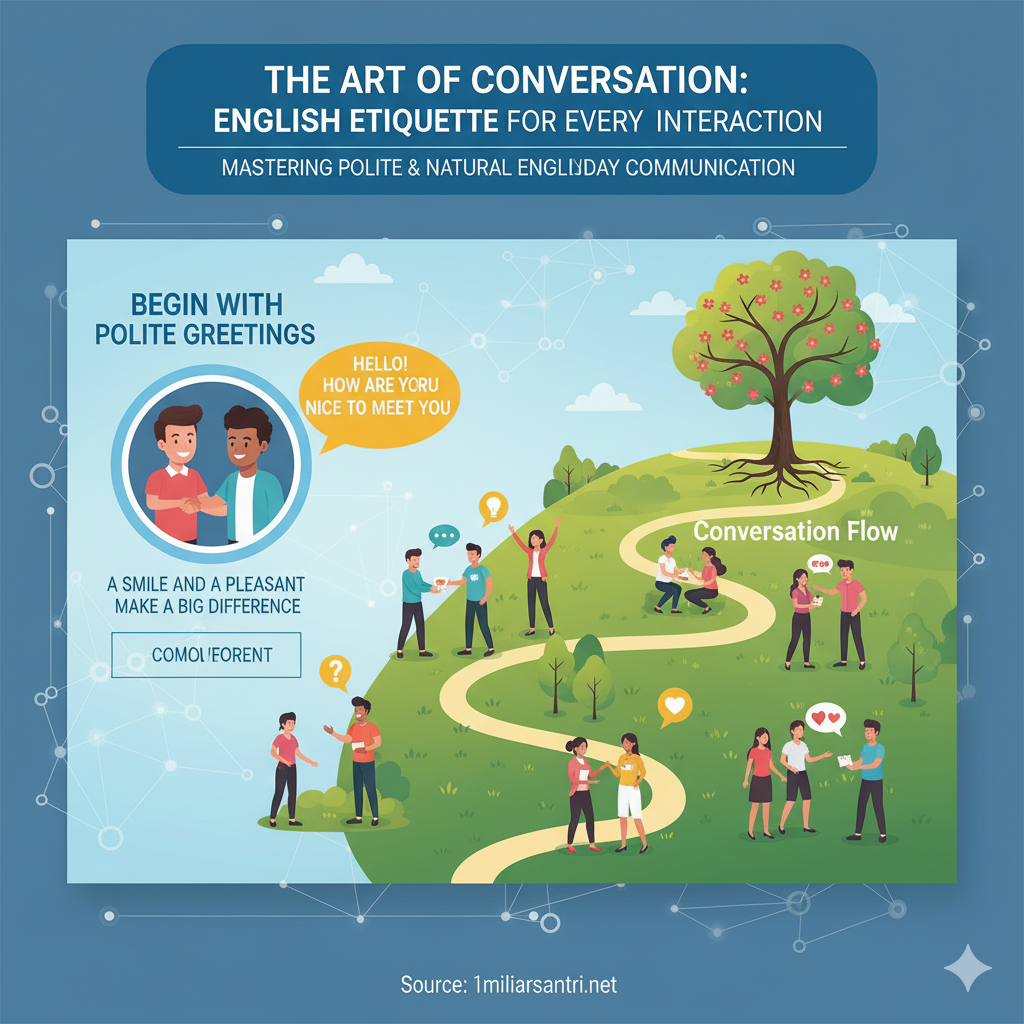



Bridging Cultures with Grace: Learning English Through Adab Values


English as a Bridge of Unity, Not Uniformity
Learning English should not mean giving up one’s culture or faith. Instead, it offers a chance to share perspectives, build understanding, and celebrate diversity. With adab, English becomes a bridge of unity rather than a tool of imitation.
When we speak with adab, our words promote peace, reduce stereotypes, and build empathy. We start to see English not as a symbol of Westernization, but as a universal language of respect—a medium through which kindness, faith, and humanity can be shared with the world.
Conclusion: Speaking with the Heart
Learning English through adab values goes beyond mastering grammar or pronunciation. It’s about nurturing the heart of communication—where respect, empathy, and sincerity meet.
By combining linguistic skill with moral awareness, learners can use English as a tool to connect rather than divide, to understand rather than judge, and to build harmony instead of conflict.
In the end, it’s not just what we say in English that matters, but how we say it—and the character we carry in every word. When guided by adab, every conversation becomes a reflection of both knowledge and virtue.
Read more: Speak with Grace: Islamic Etiquette in Every English Conversation
Writer: Glancy Verona
Editor: Abdullah Al-Mustofa
Ilustrasi by AI
Eksplorasi konten lain dari 1miliarsantri.net
Berlangganan untuk dapatkan pos terbaru lewat email.